Theory, Skills, and Evidence-Based Practice for Anxiety Disorder: A Comprehensive Analysis
| University | King's College London. |
| Subject | Clinical Psychology and Mental Health |
Introduction.
Cognitive Behavioral Therapy (CBT) is a form of therapy that explores the interaction between thoughts, emotions, behaviour and physiological reactions. It is grounded in empirical research, empowers clients to replace maladaptive cognitive and behavioural patterns with adaptive alternatives.
This essay explores CBT’s historical development, its application in Mental Health, will discuss the role of case conceptualization in guiding the diagnostic assessment and treatment planning. Explain how CBT techniques are used to treat a range of mental health disorders, such as depression, anxiety, trauma, and psychosis. Explore how the ongoing evolution of CBT has influenced the long-term management of mental health disorders, highlight specific CBT interventions. Will discuss the role of relapse prevention, skills training, and continued self-monitoring in the management of mental health conditions. Will provide examples of how CBT has been successfully applied with diverse and multicultural client populations. And will acknowledge limitations and responses, explore the importance of considering individual differences and contextual factors when applying CBT, followed by conclusion and references
The Evolution of CBT
History and empirical basis of CBT
The philosophy of Cognitive Behavioural therapy (CBT) has its roots in the early first century’s Stoic philosophers, Epicureanism, Stoicism, Epictetus (Enchiridions 135), and Marcus Aelius of ancient Greece. They claimed that: “Men are disturbed not by things, but by the principles and notions which they form concerning things”. From this stand view, cognitive theory (CT) suggests that psychological disorders do not arise from events, problems arise from the meanings individuals attach to events, filtered through the framework of core beliefs and assumptions they have already developed through life experience. (Thoma, N., Pilecki, B., & McKay, D. (2015), Bennett-Levy, J., Westbrook, D., Fennell, M., Cooper, M., Rouf, K., & Hackmann, A. 2004). From this point of view, Bennett-Levy, J., Westbrook, D., Fennell, M., Cooper, M., Rouf, K., & Hackmann, A. 2004). posit, cognitive theory suggests that psychological disorders do not arise from events, problems arise from the meanings individuals attach to events, filtered through the framework of core beliefs and assumptions they have already developed through life experience. At a theoretical level, Cognitive therapy (CT) has been primarily influenced by the phenomenological approach to psychology, structural theory and depth psychology from Kelly’s ( 1955), and cognitive psychology.” Also,” (Beck, A. T., & Weishaar, M. 1989.a). Key influencers of CBT include Behaviour therapy (BT) developed by Wolpe and others in the 1950s and 1960s and cognitive therapy (CT) developed by A.T. Beck, beginning in the 1960s but becoming far more influential with the ‘cognitive revolution’ of the 1970s. (Beck, A. T., & Weishaar, M. (1989.a).
CBT theory is influenced two principles that are vital in terms of the development of behaviour therapy such as Classical conditioning principle by (Burrhus Skinner) which explains how emotional responses are learned through association and “Operant conditioning principle by Pavlov’s work on animal behaviour in the 1890s and 1900s (Pavlov 1927), which is trusted to be the origine of Behavioural Therapy.
In 1960, Behavioural Therapy (BT) was applied to clinical problems focusing on changing behaviours, but came into effect in the 1970s, and was actively used to treat anxiety problems. CBT therapists became dissatisfied as BT was a pure behavioural approach and did not cover the cognition levels as they needed. (Simmons, J., & Griffiths, R. (2017). Not until (Foa and Emmelkamp 1983) published a book on “treatment failures”, highlighting gaps in BT, and this fuelled “Cognitive revolution ”.
In 1950, Aaron Beck was certified as a Psychiatrist, but trained and practised as a psychoanalyst, using free association modality while clients lay on the couch. Beck’s work was influenced by (Albert Ellis’ 1962) work, Rational Emotional Behaviour Therapy (REBT), of which the focus is on changing irrational beliefs into rational beliefs, to change dysfunctional emotions and maladaptive behaviours (David, Cotet, Matu, Mogoase and Stefan, 2018).
Are You Searching Answer of this Question? Request Ireland Writers to Write a plagiarism Free Copy for You.
Beck studied the psychology of depression, and became more interested in cognitive processes. In early 1960, Beck wanted the school of Psychoanalysis to be accepted by the scientific body. Beck conducted a private experiment with depressed patients to validate the psychoanalysis construct around depressed clients. Results showed the underlying beliefs being consistent with the patients’ automatic thoughts that could be accessed and evaluated collaboratively between therapists and patients within sessions. Beck decided to move patients from the couch to a chair to explore their automatic thoughts and identify cognitive distortions. Depressed patients felt better and engaged in more adaptive behaviours. From thereon Negative Automatic thoughts (NATs) became a basis of the depression thinking which then became the major of enquiry and change. Beck called this new therapy “Cognitive Therapy”. (Leahy, R. L. 1996). , (Helen Kennerley, Joan Kirk &David, 2017).
The evolution of Cognitive Behavioral Therapy (CBT) has profoundly influenced the conceptualization and treatment of mental health disorders, transforming modern psychotherapy practices. Beck’s work laid the groundwork for CBT’s integrative model, which has since become a cornerstone of evidence-based psychotherapy. CBT’s structured, time-limited, and goal-oriented nature has made it highly adaptable across various mental health disorders. An example of CBT application to anxiety disorders entails identifying and challenging catastrophic thinking patterns, while its use in depression focuses on addressing negative self-schemas (Hofmann et al., 2012). Over time, CBT has been tailored to treat conditions such as PTSD, eating disorders, CBT for Psychosis…demonstrating its versatility.
The development of third-wave CBT approaches in the late 20th and early 21st centuries further expanded its scope. These approaches have been particularly effective in preventing relapse in depression and managing chronic conditions.
The third wave’s broad focus on new and sometimes very generally applicable skills (e.g., mindfulness, acceptance, interpersonal deepening, emotional deepening, valuing, commitment). Characteristic of the third-wave interventions is the degree of emphasis on contextual and experiential change strategies, including Mindfulness-Based Cognitive Therapy (MBCT) and Acceptance and Commitment Therapy (ACT) incorporated mindfulness and acceptance strategies, addressing limitations of traditional CBT by focusing on emotional regulation and psychological flexibility (Hayes et al., 1999; Segal et al., 2002).
CBT application in Mental Health
Describe how the evolution of CBT has influenced the diagnostic process for mental health disorders
The evolution of Cognitive Behavioural Therapy (CBT) has transformed the diagnostic process for mental health disorders through the integration of both Behavioural and cognitive patterns, which lead to a more comprehensive and effective assessment, and became instrumental in refining diagnostic criteria and enhancing the precision of mental health assessments.
At the start, Behavioural therapy(BT) was based on observable behaviours, then with Aaron Beck’s work on Cognitive Therapy(CT) which fuelled the evolution of Cognitive Behavioral Therapy (CBT), a paradigm shift towards understanding the interplay between thoughts, emotions, and behaviors (Beck, 1964). took place, transforming modern psychotherapy practices.
Also, CBT is a form of therapy using the structured framework, which has introduced standardized assessment such as cognitive case conceptualization and functional analysis, enabling therapists to identify generic or specific cognitive distortions and behavioral patterns associated with various disorders (Dobson & Dozois, 2019). Therefore, accuracy of diagnosis and facilitation of development to tailor treatment plans that address the unique cognitive and behavioral aspects of each disorder became possible.
More importantly, the empirical emphasis of CBT has fostered a culture of evidence-based practice in diagnostics, encouraging continuous evaluation and adaptation of diagnostic tools to align with emerging research findings (Wright et al., 2006). Briefly, the dynamic of CBT evolution guarantees that the diagnostic process is responsive to the variety of mental health disorders, meaning effective personalized interventions are available to all clients.
Discuss the role of case conceptualization in guiding the diagnostic assessment and treatment planning.
“Case conceptualization is a process whereby therapist and client work collaboratively to first describe and then explain the issues a client presents in therapy using cognitive-behavioural theory. (Kuyken et al., 2009; Beck, 2011) further, it holds a crucial role in guiding the diagnostic assessment, and involves gathering and organizing client information to understand the client’s presenting issues.
Case conceptualization assists clinicians/therapists to move beyond relying on symptom checklists from the Diagnostic and Statistical Manual of Mental Disorders (DSM-5)/ICD10/11, and instead focus on the cognitive, emotional, behavioral, and contextual factors that underlie and maintain psychological distress (American Psychiatric Association, 2013).
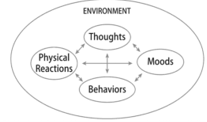
Adequate diagnostic assessment can be achieved through the five-part model (Padesky, 2020). which is a core cognitive-behavioural framework. It is a more accurate drawing of CBT theory, systematically guides diagnostic assessment. The five-part model facilitates a structured exploration of how a client’s current life circumstances influence their cognitive processes, emotional states, physiological responses, and actions (see 1.1). By mapping these interactions, the five-part model clarifies symptom patterns, refines diagnoses, and informs targeted interventions, making assessments more precise and functionally relevant to the client’s unique experience. (Padesky, 2020).
Get Solution of this Assessment. Hire Experts to solve this assignment for you Before Deadline.
Provide examples of how CBT-informed case conceptualization can lead to more targeted and effective diagnoses
CBT-informed case conceptualization guides the treatment planning, as it involves an empirical collaborative process where therapists and clients work together to understand the client’s issues, leading to more precise diagnoses and successful treatment plans (Kuyken, Padesky, & Dudley, 2009). So from the assessment stage, and through conceptualization it becomes clear how and where the problem started, how it bult up, the triggers, current critical incidents that ignited the problem to worsen to the point clients sought therapy, strategy used to cope as well as behaviors/maintenance factors that kept the problem going. Disorder(s) Information is yielded and is used to accurately plan the correct interventions. The therapist shares the complete case conceptualization with the client if both agree, and starts intervening.
After describing problem list factors that contributed to the problem development, and identification of precipitants factors/triggers that kept the problem existing, therapist identifies the client’s the Protective factors which are clients existing strengths, or available resources for support, Therapist use Cross-sectional conceptualizations that provides gathered information to build models ( specific, or generic)that can identify cross-situational triggers and maintenance factors for specific presenting issues. Then therapist conceptualizes client’s Perpetuating factors, which are addressed in line with the disorders that have been diagnosed.
Example, in anxiety disorders, perpetuating factors are Cognitive Distortions that present in the form of catastrophizing or black-and-white thinking, Core Beliefs which are Deeply held negative beliefs about self, others, or the world/future . Behavioral Factors such as Avoidances. Ex: Avoiding feared situations or emotions, which reinforces long-term anxiety. Safety Behaviors are strategies clients used to reduce perceived threat and which prevent disconfirmation of fears. Emotional Factors such as Emotional Avoidance involving avoiding emotions, which prevents emotional processing and resolution. Physical Factors such as chronic stress responses, such as elevated cortisol levels, that maintain anxiety or depression.
CBT-informed case conceptualizations distinguish anxiety symptoms from similar presentations in trauma-related disorders (Beck, 2011),(Kuyken et al., 2008/2009).
example of CBT, a Generic approach to case conceptualization that is based on a higher level cognitive theory of emotional disorders, and is typically suggested when clients present with complex or comorbid presentations (Beck, 2005; Padesky and Greenberger, 1995; Persons, 1989). (Kuyken et al., 2008) The approach reduces diagnostic ambiguity, particularly in cases with overlapping symptoms. Alike of Anxiety GAD, of Depression and GAD. Also, the approach allows a leeway to It allows therapists to alter, to confirm or disconfirm conceptualization depending on new information released by clients, then plan a correct treatment plan. CBT-informed case conceptualization guides the treatment planning as therapists can break the cycles maintaining clients’ difficulties and implement accurate treatment plans that target clients’ disorder perpetuating factors.
In psychosis, CBT-informed case conceptualization differentiates primary delusions from secondary distress caused by misinterpretations. An example of a client’s belief that “people are plotting against him/her,” might be maintained by selective attention to fortuitous events (e.g., a person’s glance). This insight differentiates persecutory delusions from paranoia linked to trauma, guiding tailored interventions (Tai & Turkington, 2009). By linking symptoms to cognitive-behavioral process, CBT case conceptualization ensures diagnoses are functionally informed, leading to targeted treatment plans.
Treatments
Explain how CBT techniques are used to treat a range of mental health disorders, such as depression, anxiety, trauma, and psychosis
Fenn & Byrne (2013). CBT uses both cognitive and behavioral techniques for more targeted and effective diagnosis for each specific or comorbid disorder. These include Behavioural activation, exposure/prolonged exposure exercises, behavioural experiments, Cognitive restructuring, relaxation training, and social skills training, all to build confidence and target avoidance behaviours. ( Sivec, H. J., & Montesano, V. L. (2012). Thoma, N., Pilecki, B., & McKay, D. 2015)
Depression,: Cognitive restructuring is a CBT technique designed mostly for Anxiety and depression to break the anxiety vicious cycle, and the cycle of negative cognitive distortions and inactive behaviors in depression. Cognitive restructuring, helping clients challenge and replace irrational beliefs with balanced thoughts (Beck, 1976). Therapists challenge clients’ thoughts and core beliefs, thoughts recording homework is given to measure automatic negative thoughts(ANTS) patterns and target these distorted thoughts. The cycle of automatic negative thinking that reinforces emotional distress is identified and targeted. As behavioural aspects of CBT derive from Operant Conditioning (Skinner), CBT uses this Operant Conditioning framework to reinforce desired behaviors and reduce maladaptive behaviour. Meaning that the Behavioral activation approach involves activity scheduling to target the maladaptive behaviour, such as inactivity behaviour, or self-isolation. Therapist supports clients to re-engage in previous meaningful activities, or finding alternative positive, meaningful and valued activities to counteract inactivity and low mood (Cuijpers et al. 2013).
Guided discovery technique is used to involve Clients in evaluating their idiosyncratic core beliefs and distorted cognitions., and to find a more positive cognitions and balanced core beliefs to enjoy life.
Anxiety Disorders:. According to Behavioral Theory, based on Classical Conditioning (Pavlov), emotional responses/ conditioned responses are learned through association. This is applicable to Anxiety whereby exposure technique to feared situations help unlearning conditioned responses exposure therapy aims at reducing avoidance behaviors, gradually desensitizing clients to feared stimuli in terms of social interactions while challenging catastrophic predictions such as “I’ll embarrass myself” (Hofmann et al. 2012). Carpenter et al., (2018) explain, exposure technique“helps to challenge catastrophic thoughts and replace them with balanced perspectives”. (Thoma et al. 2015). a gradual prolonged exposure to feared threat can adjust exaggerated or false interpretation attached to the situation, or objects that make client anxious. In vivo practice technique with the therapist, in guided imagery, and in between session homework assignments helps to lower anxiety symptoms. Cognitive restructuring such as mindfulness/relaxation techniques training is used to challenge clients’ catastrophic thinking, and stop ruminating, and when clients engage in sel-criticism or avoidance of internal experience. So, socratic questioning are used in testing accuracy they see as advantage of rumination.
Trauma (PTSD): Trauma-focused CBT (TfCBT) uses exposure of prolonged exposure techniques to process traumatic memories safely, reducing their emotional intensity. In PTSD Cognitive restructuring targets guilt or self-blame to restore a sense of safety (Ehlers & Clark, 2000).
Stuck in Completing this Assignment and feeling stressed ? Take our Private Writing Services
(Shubina, 2015).states, CBT “effectively disrupts the cycle of avoidance and fear by promoting emotional processing of traumatic memories. Some research has demonstrated that whilst exposure technique works well for some individuals with PTSD, it may not be suitable for everyone. However, more studies have proved that cognitive-behavioral therapy (CBT) effectively reduces PTSD symptoms and accompanying depression, anxiety, giving similar results. Foa et al. (2005) recommend a prolonged-exposure therapy which is highly effective in reducing PTSD symptoms.
CBT for psychosis (CBTp) focuses on reducing distress from delusions or hallucinations through reality testing by asking clients “what evidence supports their belief?” Also,training mindfulness skill helps to manage symptoms (Beck et al., 2009).Exposure therapy can reduce distress related to hallucinations by encouraging habituation, while addressing delusional beliefs by way of challenging and reframing distorted thought patterns. (Rathod et al. 2014). Reality testing, techniques is used where clients evaluate evidence for their beliefs, and mindfulness coping strategies helps to manage psychosis symptoms. (Leahy, 1996). Delusions are approached as beliefs that can be subject to evidence, and hallucinations are conceptualized as automatic thoughts. . Rathod et al. (2014). Cognitive restructuring treat psychosis to addresses delusional beliefs by challenging and reframing distorted thought patterns. psychoeducation normalizes PTSD symptoms (Bisson et al. 2013).It focuses on identifying and changing negative thoughts patterns/cognitive distortions. Home work is given to clients to monitor and record their NATs between sessions, to identify and target perpetuating (Rathod et al.2014) CBT-P of negative symptoms emphasizes on supporting clients in setting up smart, realistic and achievable goals for their therapy and recovery. A careful Guided imagery meditation help psychosis symptoms.
Discuss the evidence-base supporting the efficacy of CBT in treating various mental health conditions
Cognitive Behavioral Therapy (CBT) is globally recognised as the most evidence-based therapy for treating a variety of mental health conditions. Its efficacy is supported by various clinical trials, meta-analyses, and systematic reviews. Westbrook et al,. (2011) claim, CBT is a landmark of psychotherapy, works in tightly controlled research trials, the most psychological therapy with the most solid and wide evidence-based for efficacy and effectiveness.
David, D., Cristea, I., & Hofmann, S. G. (2018). evidenced, CBT was the first psychotherapy largely identified as evidence-based in most clinical guidelines. The first form of psychotherapy tested with the most stringent criteria of evidence-based framework used in the health field.Asnaani et al (2009). Believe, because of its clear research support, CBT dominates the international guidelines for psychosocial treatments, making it a first-line treatment for many disorders.
Over time evidence has developed from case studies, randomized controlled trials and meta-analyses confirming the effectiveness of CBT in depression, schizophrenia, anxiety, PTSD and border-line personality. Furthermore, CBT compliments and builds on the psychopharmacology management of severe mental illness, and that for many mild to moderate mental illness CBT can be as good or even superior medication management. echoed (Rathod. Et al. 2015). Some studies (Brown et al. 2007). Favoured CBT over pharmacotherapy for treating both externalizing and internalizing disorders.
Hayes et al. (2021). CBT has demonstrating its flexibility and effectiveness across different cultural contexts. And was successfully adapted and applied to diverse level of education, income and a variety of cultures, age, collectivism and multicultural client populations. As Hayes SC, Hofmann SG. (2017) CBT has included a more trans-diagnostic/process-based and personalized approach, with the ultimate goal of linking the therapeutic technique to the process and the individual client. Highlight specific CBT interventions (eg;nCognitive restructuring, Exposure therapy, Behavioural activation)
Cognitive Behavioral Therapy (CBT) utilises specific interventions to target maintenance factors of various disorders. (Beck, 2011).
Cognitive restructuring addresses maladaptive thought patterns, such as negative automatic thoughts in depression or catastrophic thinking in anxiety disorders, by challenging and replacing them with balanced, evidence-based alternatives. This reduces emotional distress and disrupts cycles of rumination or avoidance
Cognitive restructuring identifies and challenges cognitive distortions such as such as negative automatic thoughts in depression, in anxiety disorders, Cognitive restructuring challenges and replaces maladaptive thoughts then balanced, and find alternative to reduce emotional distress (Beck, 2011). In anxiety to disrupts vicious cycles and rumination or avoidance have to be tarted and watch out for cognitive distortions such as “catastrophizing”, “mindreading”, “all or nothing thinking”, “overgeneralization”, “should statements” and “emotional reasoning”. “Personalization”, “labeling” and “minimizing or disqualifying.
Exposure therapy is mostly effective for anxiety disorders, including phobias and PTSD, by systematically confronting feared stimuli to reduce avoidance behaviors and habituation to anxiety-provoking situations. (Foa et al. (2012).
Behavioral activation targets depressive withdrawal and inactivity, by promoting achievable and pleasurable activity scheduling homework to improve mood and motivation, addressing the inertia that perpetuates low mood (Martell et al. 2010).
For OCD, exposure and response prevention (ERP) specifically targets compulsions by preventing ritualistic behaviors while exposing individuals to obsessive triggers, thereby reducing anxiety over time. In eating disorders, CBT interventions focus on modifying distorted body image beliefs and addressing behaviors like dietary restriction or binge-purge cycles. Each intervention is tailored to disrupt the cognitive and behavioral patterns maintaining the disorder.
Are You Searching Answer of this Question? Request Ireland Writers to Write a plagiarism Free Copy for You.
Management
Explore how the ongoing evolution of CBT has influenced the long-term management of mental health disorders,
Traditional CBT focuses on modifying maladaptive thoughts and behaviors, but its evolution has expanded its scope and effectiveness. The most eminent development is the emergence of third-wave CBT approaches, that includes Mindfulness-Based Cognitive Therapy (MBCT) and Acceptance and Commitment Therapy (ACT).
MBCT, for instance, has increasingly gained popularity and proven to be effective in preventing relapse in recurrent depression by teaching mindfulness skills to disengage from negative thought patterns (Segal, Williams, & Teasdale, 2018). ACT emphasizes psychological flexibility, helping individuals manage chronic symptoms by aligning actions with personal values (Hayes, Strosahl, & Wilson, 2016). These approaches address long-term emotional regulation and resilience.
Digital CBT (dCBT) has also created CBT service accessibility and engagement. Also, online platforms and mobile apps deliver evidence-based interventions, making therapy available to individuals with diverse barriers to usual way of being attended to. (Andersson et al. 2019)Studies show dCBT is effective for anxiety and depression, with sustained benefits over time.
(Barlow et al., 2017). CBT has evolved to address disorders comorbidities and transdiagnostic factors. Now CBT can be applied to multiple disorders through transdiagnostic principles across different mental health conditions, making it a versatile approach
Unified protocols target shared mechanisms like emotion regulation across multiple disorders, improving outcomes for complex cases. (Hwang, 2016).Culturally adapted CBT interventions have further enhanced relevance and engagement in diverse
discuss the role of relapse prevention, skills training, and continued self-monitoring in the management of mental health conditions
Not only Modern CBT is empirically supported treatments for mental health disorders in terms of identifying the “here” and “now” symptoms, but its key focus is on relapse prevention , where CBT therapists teach clients to be their own therapists by educating them and provide tools and techniques to patients to be used in their lives after therapy ends to prevent relapse. (Cuijpers et al., 2013). Explain, modern CBT emphasizes relapse prevention through skills training and booster sessions. Throughout sessions, therapists teach clients how to identify early warning signs of relapse and apply coping strategies proactively. CBT therapists try to encourage clients self-management by way psychoeducational provision in terms of becoming their own therapists going forward. Alike of mindfulness, journaling strategy can help clints to monitor and change their unhelpful thoughts.Key factor to relapse prevention stays with skills training and a continued self-monitoring Keen, N., Hunter, E. C., & Peters, E. (2017). Teach the Staying Well and Relapse Prevention phase that involves the development of a relapse prevention and staying well plan. How at the end of sessions therapists educate the client by providing a summary of key techniques and strategies learnt, as well as what to do if one faces a set-back. Relapse prevention can be seen as a proactive strategy that help clients to spot triggers that can lead to the disorder symptoms recurrence. CBT therapist personalise relapse intervention plan according to individual’s problem and their early warning signs of their specific disorders. As during conceptualisation therapist documented clients resilience, this time skills training boost existing resilience for self-efficacy in managing mental health challenges. Skills can be practical. Lets say, if the problem is anxiety, cognitive restructuring, relaxation techniques and powerful. In case of depression, behavioral activation, meaningful activity scheduling will definitely help to prevent relapse and clients are told that the tools/strategy are for life, for enduring stability. Also, CBT therapist encourage a continuous self-monitoring log , in terms of mood or thoughts monitoring log , this help clients to spot pattern discrepancies, then intervene accordingly. Briefly, CBT therapist ensures that notes have been taken throughout sessions, and that Relapse prevention has been part of therapy process all along during sessions. Near the end of sessions CBT therapist prepares patients by way educating them to be their own therapist in terms of identifying warning of early signs potential relapse.
Outline the key strengths
CBT is one of the most researched psychotherapies, with robust empirical support for treating conditions like depression, anxiety, PTSD, and OCD (Hofmann et al., 2012). Various Meta-analyses studies demonstrate CBT’s effectiveness in reducing symptoms and preventing relapse. Structured and Goal-Oriented: CBT naturally operate in a structured framework, and is a solution-focus on “here” and “now therapy. CBT uses cognitive restructuring and behavioral activation techniques to target symptoms (Beck, 2011).Time-Limited and Cost-Effective: CBT is time sensitive and use effective fewer sessions to reduces costs while delivering sustained outcomes (Cuijpers et al., 2013). CBT uses Psycho-educational, it focuses on Skill-Building and Empowerment for clients to learn practical coping skillsf oster self-efficacy and resilience, empowering them to manage future challenges independently (Kuyken et al., 2009).CBT is based Collaboration where clients are actively involved in setting goals and understanding the rationale behind interventions
Relaps prevention/ Maintenance Factors CBT equips clients with tools to recognize early warning signs of relapse, particularly in chronic conditions like depression (Segal et al., 2002). Throughout therapy sessions and Booster Sessions.
Will provide examples of how CBT has been successfully applied with diverse and multicultural client populations.
BT’s flexibility allows it to be applied successfully applied with diverse and multicultural client populations.
Hayes SC, Hofmann SG (2017), explain, CBT has included a more trans-diagnostic/process-based and personalized approach, with the ultimate goal of linking the therapeutic technique to the process and the individual client
Griner &Smith, (2006). reviewed 76 studies on culturally adapted mental health interventions for a wide range of disorders, and they found that interventions targeted to specific ethnic groups produced four times stronger effects than those provided to diverse ethnic groups.
Get Solution of this Assessment. Hire Experts to solve this assignment for you Before Deadline.
(Hayes,& Hofmann, 2021). State, CBT has been successfully adapted for diverse and multicultural populations in Ireland, addressing the unique cultural and contextual needs of clients, including ethnic minorities, refugees, and the Traveller community. And that some report demonstrates the successful use of CBT for depression and anxiety in an Irish Traveller clients with COPD. Similarly, CBT has been tailored for a marginalized ethnic group, by incorporating their values of community and oral traditions into therapy there therapists use storytelling and collaborative approaches to build trust and engagement). Similarly, (Mac Gabhann, 2010). CBT has been adapted for immigrants and refugees by addressing acculturation stress and trauma, using interpreters, and incorporating mindfulness techniques to align with clients’ cultural practices (Ryan et al., 2018).CBT has been adapted for refugees and immigrants by addressing trauma, acculturation stress, and language barriers.
Hinton et al. (2012) developed a culturally adapted CBT protocol for Southeast Asian refugees with PTSD, incorporating mindfulness techniques and culturally specific metaphors and helped Asian clients process trauma while respecting their cultural beliefs.
Hays (2009) evidenced, “culturally adapted CBT reduces barriers to care and improves treatment outcomes for refugee populations” furher, Hays describes how CBT can be modified to align with Asian cultural norms, such as emphasizing harmony and interdependence. For example, therapists may reframe cognitive restructuring as a way to achieve balance in relationships rather than focusing solely on individual goals.
CBT has been tailored to address the unique experiences of African Americans, For example, Kohn et al. (2002) developed a culturally adapted CBT program for depressed African Americans, incorporating themes of racial identity, spirituality, and community support. The program emphasized the role of systemic oppression in shaping negative thoughts and behaviors, helping clients reframe their experiences in empowering ways.
Knowledge Limitations and responses
The evolution of CBT has addressed many of its historical limitations through theoretical advancements, integration with other approaches, and cultural adaptations.
As Beck, J. S. (2020) point out, CBT tends to emphasize rationally the scientific method and individualism, and clients from other culture collectivists may hold different views and preferences.” Huey et al.,(2023) concurred, cognitive behavioural theories and practices are typically grounded in dominant Western cultural models. CBT is still addressing Individualism limitation Judith & Sarah, 202). with, third wave- CBT that offers a process-focused treatment that is flexible for all cultural profiles.
Third-wave approach was criticized for focusing too much on cognitive restructuring and not enough on emotional and experiential processes. CBT incorporating Acceptance Commitment Therapy (ACT) emphasising on acceptance of emotions and Mindful-based CBT (MB-CBT). Both approaches are rooted in Asian philosophies, and respond to emotion needs. Also, both ACT and MB-CBT interventions align with BAM clients’ cultural beliefs and assumptions. BAME (Black, Asian and minority ethnic) who are under represented in primary care mental health services in UK. To address this limitations(Naz, S., Gregory, R., & Bahu, M. 2019). Example, (Hinton, 2012) “contextually sensitive CBT,” Parameters have been suggested to develop culturally sensitive CBT interventions among refugees or other cultural. Also, five part-model of CBT, enables to assess and understand clients’ culture, core beliefs and underlying assumptions. Both therapist and client explore how environment / situation have influence their internal system.
Language and Communication barrier:(Naz, S., Gregory, R., & Bahu, M. 2019). CBT relied on language to identify and explore cognitive patterns and behaviors, so the implication is when trying to intervene for clients with little proficiency in the therapists’ language. But CBT-Collaborative case conceptualization is framed in clients’ language, constructed by them, that can be readily understood by them”
Phew qualified CBT therapists present a major challenge as to how best to achieve the increase demand in CBT service, and access to CBT service that is limited by geographic and high create barriers. Beck Institute of CBT responded by increasing CBT training all over the world. Also, to respond to an increase demand in CBT service and its accessibility,
CBT was accused of undervaluing the therapeutic relationship. To respond, new CBT use empirical collaborative process where therapists and clients work together to understand the client’s issues this alone create a strong therapeutic relationship.
Some of CBT therapist not being adequately trained. This has been dealt with by establishing CBT practitioners standards to adhere to, which is CTR-S.
Limited CBT service accessibility and Engagement: Internet-based CBT has enables CBT therapy service and engagement more accessible by those who need it most, including youths, immobile persons. (Padesky, C. A. 2020) conclude, through the development of third-wave approaches, cultural adaptations, digital delivery, and personalized treatment models.
CBT improvement
CBT further development area may include CBT therapists retraining how to better operate within cultural competency framework. Also, students in CBT-oriented graduate programs are to receive cultural competency training. Existing CBT therapist may need a more training on of how to integrate New CBT’s borrowed techniques.
Explore the importance of considering individual differences and contextual factors when applying CBT
Kuyken et al. (2009) note, collaborative case conceptualization ensures interventions are “client-centered rather than protocol-driven” (p. 17). This personalized approach fosters trust, enhances adherence, and improves outcome. It is important to consider individual differences and contextual factors when adopting CBT to ensure interventions are culturally sensitive, accurate, and effective. CBT’s evidence-based techniques are tailored tailored to cater for a client’s environment and situation, because these factors influence symptom expression, coping mechanisms, and treatment engagement (Hays, 2009). For example, cultural norms may shape how emotions are expressed or stigmatized, requiring adaptations in cognitive restructuring (Kohn et al., 2002). Also, clients from marginalized communities may face systemic barriers (e.g., discrimination, poverty) that exacerbate distress, necessitating CBT strategies that address both internal and external stressors (Brown et al., 2020).It is also important to Consider contextual factors that play a pivotal role in maintaining psychological difficulties, and avoid applying interventions misaligned with the client’s reality. Example of (Williams & Levitt, 2007) rigid adherence to exposure therapy without considering a trauma survivor’s readiness may retraumatize them
Stuck in Completing this Assignment and feeling stressed ? Take our Private Writing Services
Conclusion
CBT has evolved significantly, addressing many of its early limitations through the development of third-wave approaches, cultural adaptations, digital delivery, and personalized treatment models. Collaborative case conceptualization offers clients an opportunity to be more directly engaged in treatment decisions including the design and rationale for therapy interventions.
CBT is one of the most researched psychotherapies, with robust empirical support for treating conditions like depression, anxiety, PTSD, and OCD.
CBT tends to emphasize rationality and individualism time. CBT has evolved beyond traditional methods, embracing third-wave approaches like mindfulness and Acceptance and Commitment Therapy (ACT), digital adaptations for broader accessibility, and culturally sensitive models to address diverse populations.
Students in CBT-oriented graduate programs are to receive cultural competency training.
REFERENCE
Brown, L. S., Gaudiano, B. A., & Miller, I. W. (2020). The impact of socioeconomic status on CBT outcomes: A systematic review. Journal of Clinical Psychology, 76(7), 1223–1235
Hofmann & Asmundson Beck AT(2013). The science of cognitive therapy. Behav Ther (2013) 44:199–212. doi:10.1016/j.beth.2009.01.007
Hofmann, S. G., Asnaani, A., Vonk, I. J. J., Sawyer, A. T., & Fang, A. (2012). The efficacy of cognitive behavioral therapy: A review of meta-analyses. Cognitive Therapy and Research, 36(5), 427–440. https://doi.org/10.1007/s10608-012-9476-1
Andersson, G., Titov, N., Dear, B. F., Rozental, A., & Carlbring, P. (2019). Internet-delivered psychological treatments: From innovation to implementation. World Psychiatry, 18(1), 20–28. https://doi.org/10.1002/wps.20610
Hayes, S. C., Strosahl, K. D., & Wilson, K. G. (1999). Acceptance and commitment therapy: An experiential approach to behavior change. Guilford Press.
Hinton, D. E., Rivera, E. I., Hofmann, S. G., Barlow, D. H., & Otto, M. W. (2012). Adapting CBT for traumatized refugees and ethnic minority patients: Examples from culturally adapted CBT (CA-CBT). Transcultural Psychiatry, 49(2), 340–365. https://doi.org/10.1177/1363461512441595
Shubina, I. (2015). Cognitive-behavioral therapy of patients with PTSD: Literature review. Procedia – Social and Behavioral Sciences, 165, 208–216. https://doi.org/10.1016/j.sbspro.2014.12.624
Kohn, L. P., Oden, T., Muñoz, R. F., Robinson, A., & Leavitt, D. (2002). Culturally adapted cognitive-behavioral therapy for depressed African Americans. Professional Psychology, 33(3), 260–267. https://doi.org/10.1037/0735-7028.33.3.260
Kuyken, W., Padesky, C. A., & Dudley, R. (2009). Collaborative case conceptualization: Working effectively with clients in cognitive-behavioral therapy. Guilford Press.
Beck, J. S. (2011). Cognitive behavior therapy: Basics and beyond (2nd ed.). Guilford Press.
Eells, T. D. (2022). Handbook of psychotherapy case formulation (3rd ed.). The Guilford Press.
Hofmann, S. G., Asnaani, A., Vonk, I. J., Sawyer, A. T., & Fang, A. (2012). The efficacy of cognitive behavioral therapy: A review of meta-analyses. Cognitive Therapy and Research, 36(5), 427–440. https://doi.org/10.1007/s10608-012-9476-1
Segal, Z. V., Williams, J. M. G., & Teasdale, J. D. (2002). Mindfulness-based cognitive therapy for depression: A new approach to preventing relapse. Guilford Press.
Padesky, C. A., & Mooney, K. A. (2012). Strengths-based cognitive-behavioral therapy: A four-step model to build resilience. Clinical Psychology & Psychotherapy, 19(4), 283–290. https://doi.org/10.1002/cpp.1795
Padesky, C. A. (2020). The clinician’s guide to CBT using mind over mood. Guilford Publications.
Mac Gabhann, L. (2010). Mental health and Irish Travellers: A review. Irish Journal of
Are You Searching Answer of this Question? Request Ireland Writers to Write a plagiarism Free Copy for You.
Psychological Medicine, 27(3), 123–129. https://doi.org/10.1017/S0790966700000215
Ryan, D., Dooley, B., & Benson, C. (2018). Adapting CBT for refugees and asylum seekers in Ireland. Irish Psychologist, 44(3), 45–52.
Beck, A. T. (1964). Thinking and depression: I. Idiosyncratic content and cognitive distortions. Archives of General Psychiatry, 9(4), 324–333. https://doi.org/10.1001/archpsyc.1963.01720160014002
Hays, P. A. (2009). Integrating cultural considerations into CBT. American Psychological Association.Dobson, K. S., & Dozois, D. J. A. (2019). Handbook of cognitive-behavioral therapies (4th ed.). The Guilford Press.
Wright, J. H., Basco, M. R., & Thase, M. E. (2006). Learning cognitive-behavior therapy: An illustrated guide. American Psychiatric Publishing
Williams, D. C., & Levitt, H. M. (2007). Principles for facilitating agency in psychotherapy. Psychotherapy Research, 17(1), 66–82. https://doi.org/10.1080/10503300500469098
Beck, A. T. (1967). Depression: Clinical, experimental, and theoretical aspects. University of Pennsylvania Press.
Hofmann, S. G., Asnaani, A., Vonk, I. J., Sawyer, A. T., & Fang, A. (2012). The efficacy of cognitive behavioral therapy: A review of meta-analyses. Cognitive Therapy and Research, 36(5), 427–440. https://doi.org/10.1007/s10608-012-9476-1
Segal, Z. V., Williams, J. M. G., & Teasdale, J. D. (2002). Mindfulness-based cognitive therapy for depression: A new approach to preventing relapse. Guilford Press.
Hays, D. G. (2013). Assessment, diagnosis and treatment planning: A map for the journey ahead. Counseling Today. Retrieved from https://www.counseling.org/publications/counseling-today-magazine/article-archive/article/legacy/assessment-diagnosis-and-treatment-planning-a-map-for-the-journey-ahead
Pantalone, D. W., Iwamasa, G. Y., & Martell, C. R. (2010). Cognitive-behavioral therapy with diverse populations. Handbook of cognitive-behavioral therapies, 445-462.
Rathod, S., Phiri, P., & Naeem, F. (2019). An evidence-based framework to culturally adapt cognitive behaviour therapy. The Cognitive Behaviour Therapist, 12, e10.
Fenn, K., & Byrne, M. (2013). The key principles of cognitive behavioural therapy. InnovAiT, 6(9), 579-585.
Hays, P. A. (2009). Integrating cultural considerations into CBT. In Culturally responsive cognitive-behavioral therapy (pp. 13–32). American Psychological Association.
Sperry, L., & Sperry, J. (2020). Case conceptualization: Mastering this competency with ease and confidence. Routledge.
Knapp, P., Kieling, C., & Beck, A. T. (2015). What do psychotherapists do? A systematic review and meta-regression of surveys. Psychotherapy and Psychosomatics, 84(6), 377-378.
Kuyken, W., Padesky, C. A., & Dudley, R. (2009). Collaborative case conceptualization: Working effectively with clients in cognitive-behavioral therapy. Guilford Press.
Knapp, P., Kieling, C., & Beck, A. T. (2015). What do psychotherapists do? A systematic review and meta-regression of surveys. Psychotherapy and Psychosomatics, 84(6), 377-378.
Andersson, G., & Cuijpers, P. (2009). Internet-based and other computerized psychological treatments for adult depression: A meta-analysis. Cognitive Behaviour Therapy, 38(4), 196-205. https://doi.org/10.1080/16506070903318960
Beck, J. S. (2020). Cognitive behavior therapy: Basics and beyond. Guilford Publications.
Beck, J. S. (2011). The basic principles of cognitive behavior therapy. Psych Central. https://pro.psychcentral.com/2011/the-basic-principles-of-cognitive-behavior-therapy/00659.html
David, D., Cristea, I., & Hofmann, S. G. (2018). Why cognitive behavioral therapy is the current gold standard of psychotherapy. Frontiers in psychiatry, 9, 4.
Hall, G. C. N., & Ibaraki, A. Y. (2016). Multicultural issues in cognitive-behavioral therapy: Cultural adaptations and goodness of fit. The Oxford handbook of cognitive and behavioral therapies, 465-481.
Fenn, K., & Byrne, M. (2013). The key principles of cognitive behavioural therapy. InnovAiT, 6(9), 579-585
Hayes, S. C., & Hofmann, S. G. (2021). “Third‐wave” cognitive and behavioral therapies and the emergence of a process‐based approach to intervention in psychiatry. World psychiatry, 20(3), 363-375
Hayes SC, Hofmann SG. The third wave of CBT and the rise of process-based care. World Psychiatry (2017) 16:245–6. doi:10.102/wps.20442
Hofmann SG, Asnaani A, Vonk IJJ, Sawyer AT, Fang A. The efficacy of cognitive behavioral therapy: a review of meta-analyses. Cognit Ther Res (2012) 36(5):427–40. doi:10.1007/s10608-012-9476-1
Kohn, L. P., Oden, T., Muñoz, R. F., Robinson, A., & Leavitt, D. (2002). Culturally adapted cognitive-behavioral therapy for depressed African Americans. Professional Psychology, 33(3), 260–267. https://doi.org/10.1037/0735-7028.33.3.260
Hinton, D. E., & Patel, A. (2018). Culturally sensitive CBT for refugees: key dimensions. Mental health of refugee and conflict-affected populations: Theory, research and clinical practice, 201-219.It
Leahy, R. L. (1996). Cognitive therapy: Basic principles and applications. Jason Aronson, Incorporated
Levinson, M. (2011). NINE Working with ‘Diversity ‘in CBT. The CBT Handbook, 162.
Huey Jr, S. J., Park, A. L., Galán, C. A., & Wang, C. X. (2023). Culturally responsive cognitive behavioral therapy for ethnically diverse populations. Annual Review of Clinical Psychology, 19(1), 51-78..
Knapp, P., Kieling, C., & Beck, A. T. (2015). What do psychotherapists do? A systematic review and meta-regression of surveys.
Naeem, F. (2019). Cultural adaptations of CBT: a summary and discussion of the special issue on cultural adaptation of CBT. The Cognitive Behaviour Therapist, 12, e40.
Naz, S., Gregory, R., & Bahu, M. (2019). Addressing issues of race, ethnicity and culture in CBT to support therapists and service managers to deliver culturally competent therapy and reduce inequalities in mental health provision for BAME service users. The Cognitive Behaviour Therapist, 12, e22.
Padesky, C. A. (2020). Collaborative Case Conceptualization: Client Knows Best. Cognitive and Behavioral Practice, 27, 392-404. https://doi.org/10.1016/j.cbpra.2020.06.003
Thoma, N., Pilecki, B., & McKay, D. (2015). Contemporary cognitive behavior therapy: A review of theory, history, and evidence. Psychodynamic psychiatry, 43(3), 423-461.
Rathod, S., Kingdon, D., Pinninti, N., Turkington, D., & Phiri, P. (2015). Cultural adaptation of CBT for serious mental illness: a guide for training and practice. John Wiley & Sons.
Simmons, J., & Griffiths, R. (2017). CBT for Beginners.
Mitchell, J., & Allen, C. (2023). Adapting cognitive behavioural therapy for depression in later life for Irish Travellers: a case example and considerations for practice. the Cognitive Behaviour Therapist, 16, e37.
Pantalone, D. W., Iwamasa, G. Y., & Martell, C. R. (2010). Cognitive-behavioral therapy with diverse populations. Handbook of cognitive-behavioral therapies, 445-462.
Rush, A. J., Shaw, B. F., Emery, G., DeRubeis, R. J., & Hollon, S. D. (2024). Cognitive t
Get Solution of this Assessment. Hire Experts to solve this assignment for you Before Deadline.
Thoma, N., Pilecki, B., & McKay, D. (2015). Contemporary cognitive behavior therapy: A review of theory, history, and evidence. Psychodynamic psychiatry, 43(3), 423-461herapy of depression. Guilford chotherapy and Psychosomatics, 84(6), 377-378
Hall, G. C. N., & Ibaraki, A. Y. (2016). Multicultural issues in cognitive-behavioral therapy: Cultural adaptations and goodness of fit. The Oxford handbook of cognitive and behavioral therapies, 465-481.
Hinton, D. E., & Patel, A. (2018). Culturally sensitive CBT for refugees: key dimensions. Mental health of refugee and conflict-affected populations: Theory, research and clinical practice, 201-219.It
Levinson, M. (2011). NINE Working with ‘Diversity’in CBT. The CBT Handbook, 162.
Rathod, S., Kingdon, D., Pinninti, N., Turkington, D., & Phiri, P. (2015). Cultural adaptation of CBT for serious mental illness: a guide for training and practice. John Wiley & Sons.
Knapp, P., Kieling, C., & Beck, A. T. (2015). What do psychotherapists do? A systematic review and meta-regression of surveys. Psychotherapy and Psychosomatics, 84(6), 377-378.
Mitchell, J., & Allen, C. (2023). Adapting cognitive behavioural therapy for depression in later life for Irish Travellers: a case example and considerations for practice. the Cognitive Behaviour Therapist, 16, e37.
American Psychological Association. (2013). Diagnostic and statistical manual of mental disorders (5th ed.). APA Publishing.
Barlow, D. H. (2002). Anxiety and its disorders: The nature and treatment of anxiety and panic (2nd ed.). Guilford Press.
Beck, A. T., Emery, G., & Greenberg, R. L. (1985). Anxiety disorders and phobias: A cognitive perspective. Basic Books.
Beck, J. S. (2021). Cognitive behavior therapy: Basics and beyond (3rd ed.). Guilford Press.
Clark, D. A., & Beck, A. T. (2011). The anxiety and worry workbook: The cognitive behavioral solution. Guilford Press.
Fisher, P. L., & Wells, A. (2011). Metacognitive therapy for anxiety and depression. Guilford Press.
Jantz, G. L., & Wall, K. (2021). The anxiety reset: A life-changing approach to overcoming fear, stress, worry, panic attacks, OCD, and more. Tyndale House Publishers.
Thoma, N., Pilecki, B., & McKay, D. (2015). Contemporary cognitive behavior therapy: A review of theory, history, and evidence. Psychodynamic psychiatry, 43(3), 423-461.
Wells, A., & Morrison, A. P. (1994). Cognitive therapy of anxiety disorders: A practice manual and conceptual guide. Wiley.
Stuck in Completing this Assignment and feeling stressed ? Take our Private Writing Services